
How to Choose Yarn for Crochet Garments
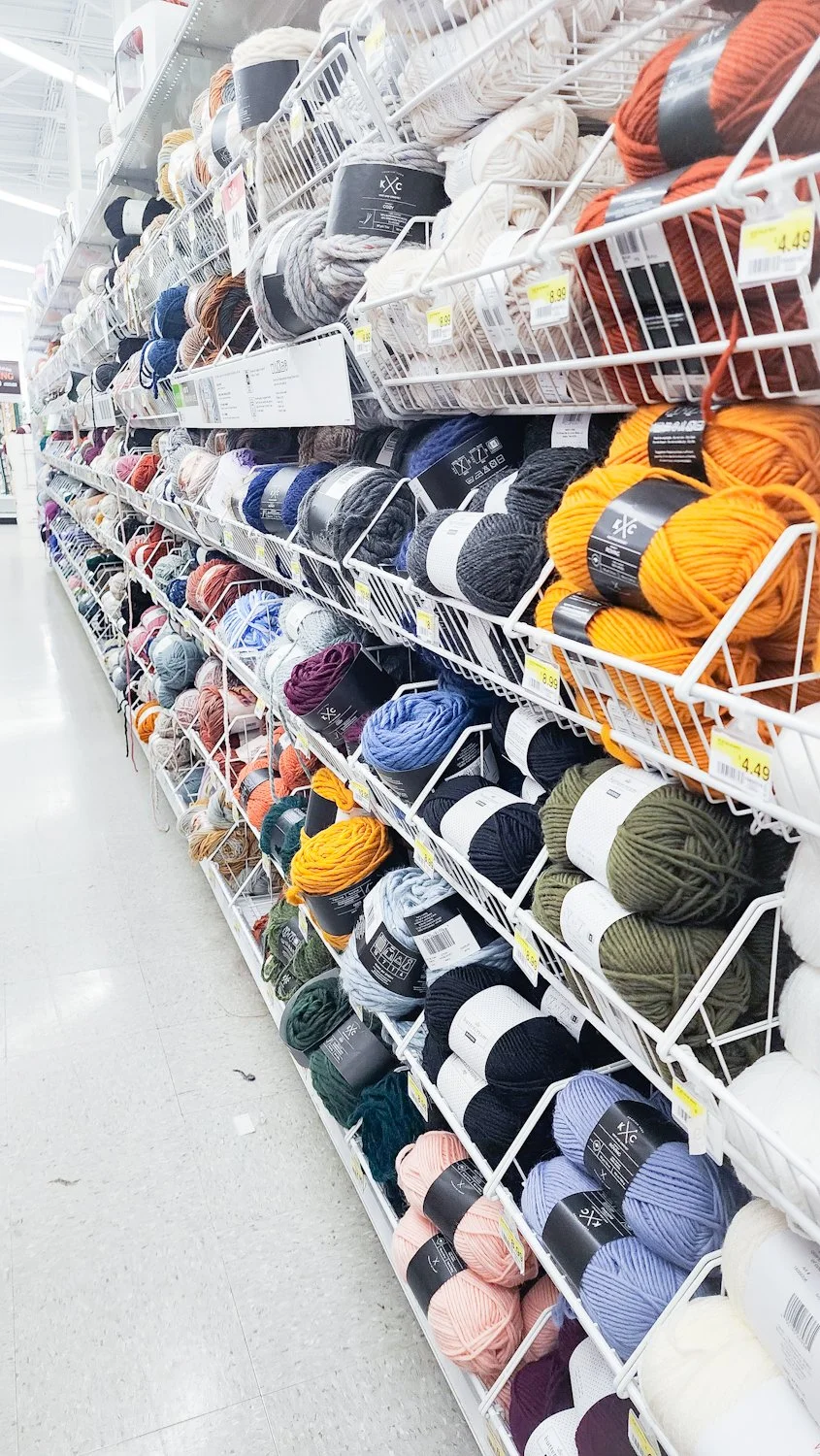
Have you ever finished a crochet garment only to realize it feels too stiff, too heavy, or doesn’t drape the way you imagined? If so, you know how much yarn choice matters.
Whether you’re designing your own garment or substituting yarn for a favorite pattern, choosing the right fiber and yarn weight can make all the difference. Your yarn influences everything from drape and fit to texture, comfort, and how your finished piece holds up over time.
Everyone has their own process, but I’m sharing mine in hopes of helping you feel more confident in your yarn choices and help set up your next project for success from the very beginning.
Start with the Finished Garment in Mind
When choosing yarn for a garment, I always start with the finished piece in mind. How do I want it to fall? How should it feel against my body? Does it need structure, stretch, or softness?
I want to create something a crocheter looks at and thinks, “I want to wear that,” not just, “I want to crochet that.”
Once I have a vision for the finished garment, I can start narrowing down my yarn options. One of the first things I consider is fiber content, since it plays a major role in how the finished fabric looks, feels, and drapes.
Consider Fiber Content
Different fibers bring different qualities to your crochet garments. Understanding how they behave can help you choose a yarn that complements your design.
Acrylic: Acrylic yarns vary widely in softness, structure, and drape depending on how they’re manufactured. While they may feel different from natural fibers, many modern acrylics offer excellent durability, affordability, and easy care.
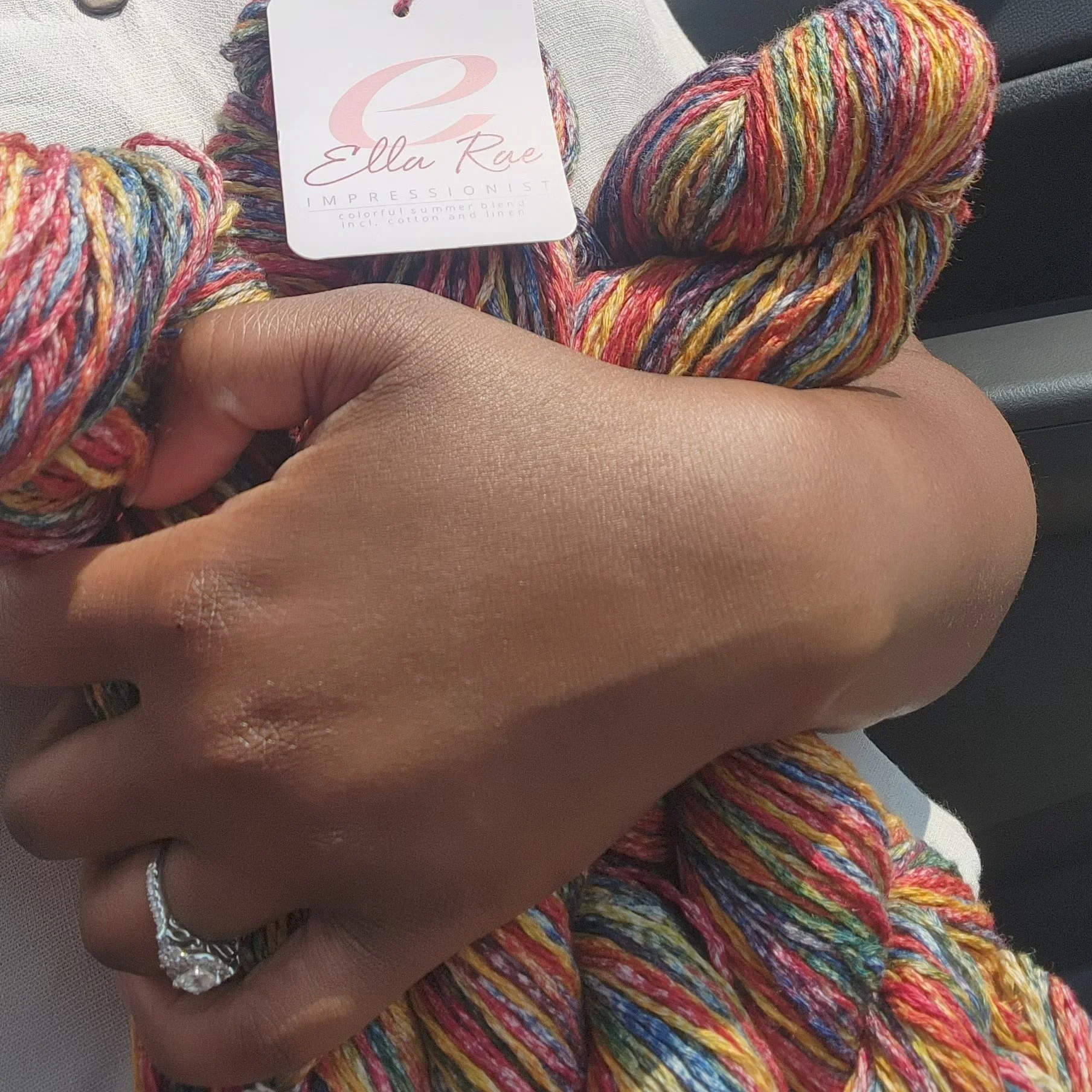
Cotton: Cotton is breathable, sturdy, and has less natural elasticity than wool. It’s a great choice for lightweight summer tops and garments that benefit from a more structured fabric. Keep in mind that cotton garments can stretch under their own weight, especially when worked into larger pieces.
Bamboo and viscose: These fibers are often silky, smooth, and cool to the touch. Their beautiful drape makes them appealing for flowy tops and lightweight garments. However, they typically have less elasticity than wool and may stretch or grow over time, depending on the yarn and construction.
Wool: Wool is my personal sweet spot. Its natural elasticity helps garments move with the body while allowing the fabric to recover its shape. This is a quality I especially value in sweaters, cardigans, and fitted accessories. Wool comes in a variety of textures and finishes, although its feel can vary depending on the fiber source and processing. It may also be unsuitable for those with wool sensitivities.
Fiber blends: Sometimes, the best option is a combination of fibers. Blends can bring together the best qualities of different materials, balancing softness, structure, elasticity, drape, and durability. For example, a cotton-wool blend may offer more elasticity than cotton alone, while a cotton-acrylic blend may combine breathability with easy care.
Ultimately, the best fiber depends on the garment you want to create. There’s no single right answer, which is why I always consider the finished fabric rather than choosing yarn based on fiber content alone.
Choose the Right Yarn Weight
Once I have an idea of the fiber I want, I turn my attention to the yarn weight.
Yarn weight affects the overall look and feel of a garment, including its warmth, bulk, and potential drape. As a designer, this is where experimenting really begins!
If you’re following a pattern, start with the recommended yarn weight and look for a substitute with similar fiber content, yardage, and construction. Even yarns in the same weight category can produce different results, so checking your gauge is essential.
The Craft Yarn Council recognizes eight standard yarn weight categories, ranging from Weight 0 (Lace) to Weight 7 (Jumbo). Here’s how I approach them when designing crochet garments and accessories.
Weight 0 – Lace
Lace-weight yarn is incredibly fine and can create delicate, airy fabrics. I often enjoy experimenting with lace-weight yarn held double or paired with another yarn to create a unique texture or color effect. Mohair is another favorite for adding a soft, fuzzy finish.
Pattern inspiration: Feathered Kiss Cowl + Headband
Weights 1 & 2 – Super Fine and Fine
These lighter-weight yarns are great for projects where a lightweight feel and beautiful drape are the goals. They can take longer to work up, but the results can be well worth the time.
I especially love these weights for delicate tops, shawls, and accessories that need to feel light and comfortable.
Pattern inspiration: Dahlia Hoodie and Florence Cordelia Turtleneck
Weight 3 – Light
I'm particularly biased when it comes to this weight. Often associated with DK-weight yarn, Weight 3 is a great option for garments that need to feel comfortable without adding too much bulk. It offers a lovely balance between stitch definition, fabric weight, and wearability.
I also find this category comfortable to work with, making it a go-to choice for many of my designs.
Pattern inspiration: Alyx Top and For the Love of Bobbles Wrap
Weight 4 – Medium
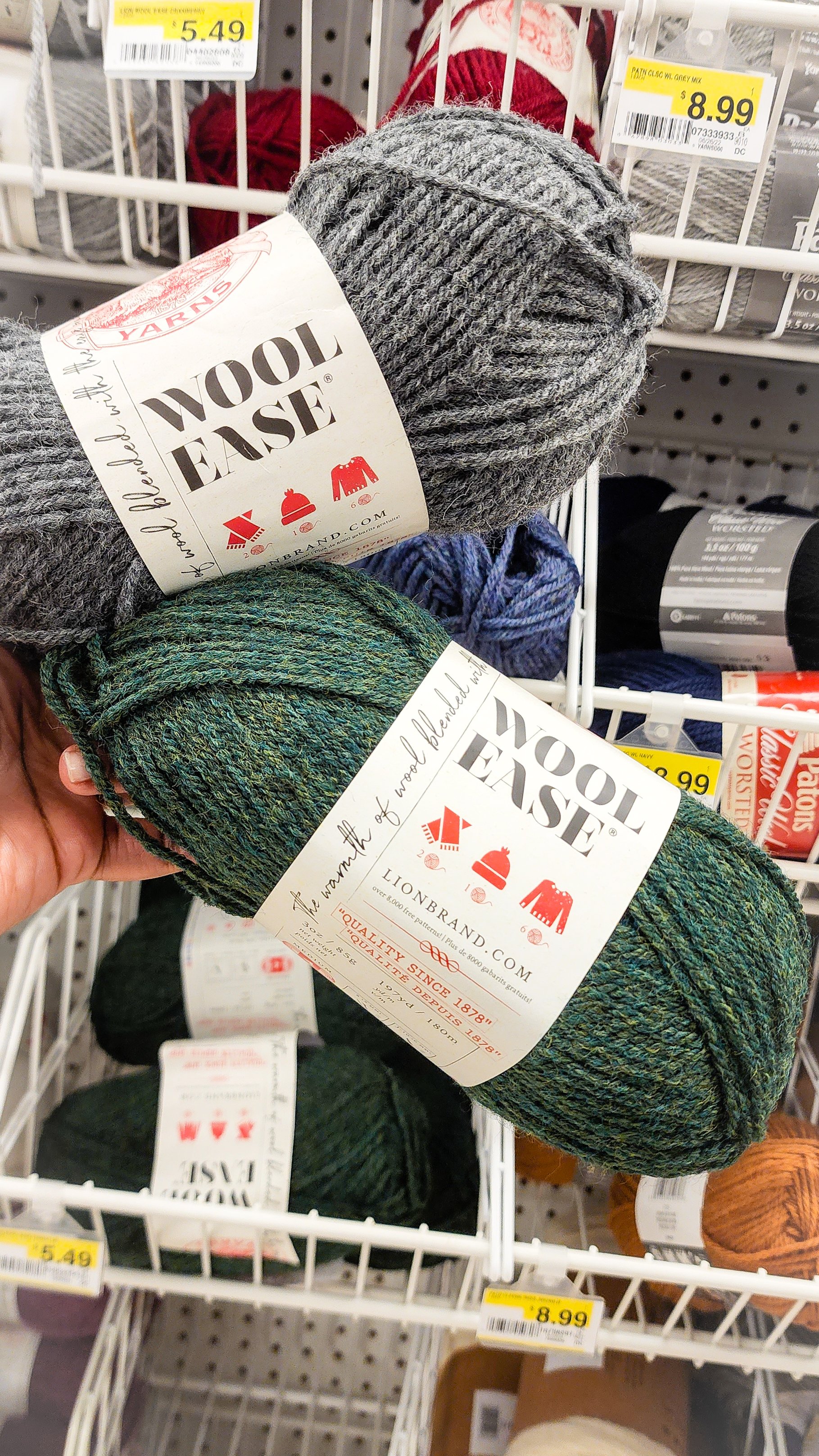
Worsted-weight yarn is a versatile choice for everything from everyday sweaters and cardigans to accessories and outerwear. Depending on the yarn and stitch pattern, it can create anything from a soft, flexible fabric to a thicker, more structured one.
Because crochet stitches can use more yarn than comparable knitted fabrics, some worsted-weight garments may feel heavier than expected. Choosing an appropriate hook size and stitch pattern can help you achieve the fabric you want.
Pattern inspiration: Ahana Sweater and Charlee Cardigan
Weight 5 – Bulky
I tend to reach for bulky yarn when creating cozy accessories and outerwear. It can also work beautifully for garments, especially when you want a warm, substantial fabric.
As with other weights, the yarn and hook combination matter. A larger hook may help create a more flexible fabric, depending on the stitch pattern and your tension.
If you live somewhere with long, cold winters, bulky yarn may become one of your seasonal favorites!
Pattern inspiration: Genesis Sweater and Iona Scarf
Weight 6 – Super Bulky
Super bulky yarn is perfect for projects that need to work up quickly and deliver plenty of warmth. I’ve used it for garments myself, and while the results can be incredibly cozy, the fabric can become stiff or heavy if the hook and stitch pattern aren't well suited to the yarn.
When working with this weight, I pay close attention to hook size and fabric flexibility to help achieve a comfortable fit.
Pattern inspiration: Kiah Cowl and Seona Sweater
Weight 7 – Jumbo
Jumbo yarn is the heaviest category, and while I haven't personally experimented with it much, it's commonly used for chunky home decor, blankets, and statement accessories.
For garments, this weight requires extra consideration because the finished fabric can be quite bulky. If you're interested in experimenting with jumbo yarn, think about the garment's intended structure and whether the finished piece will be comfortable to wear.
Check Comfort and Care
Once I've narrowed down the fiber and yarn weight, I consider the practical details.
If I'm shopping in person, I like to feel the yarn against my skin. If I'm shopping online, I read reviews to get a better idea of its softness, texture, and how it behaves in finished projects.
I also check the care instructions. A garment that requires frequent washing may benefit from a machine-washable yarn, while a special handmade piece might be worth the extra care required by certain fibers.
Think about how you'll actually wear and care for the garment. The more its needs align with your lifestyle, the more likely you are to reach for it again and again.
Always Swatch Before Committing
Now comes the real fun: swatching!
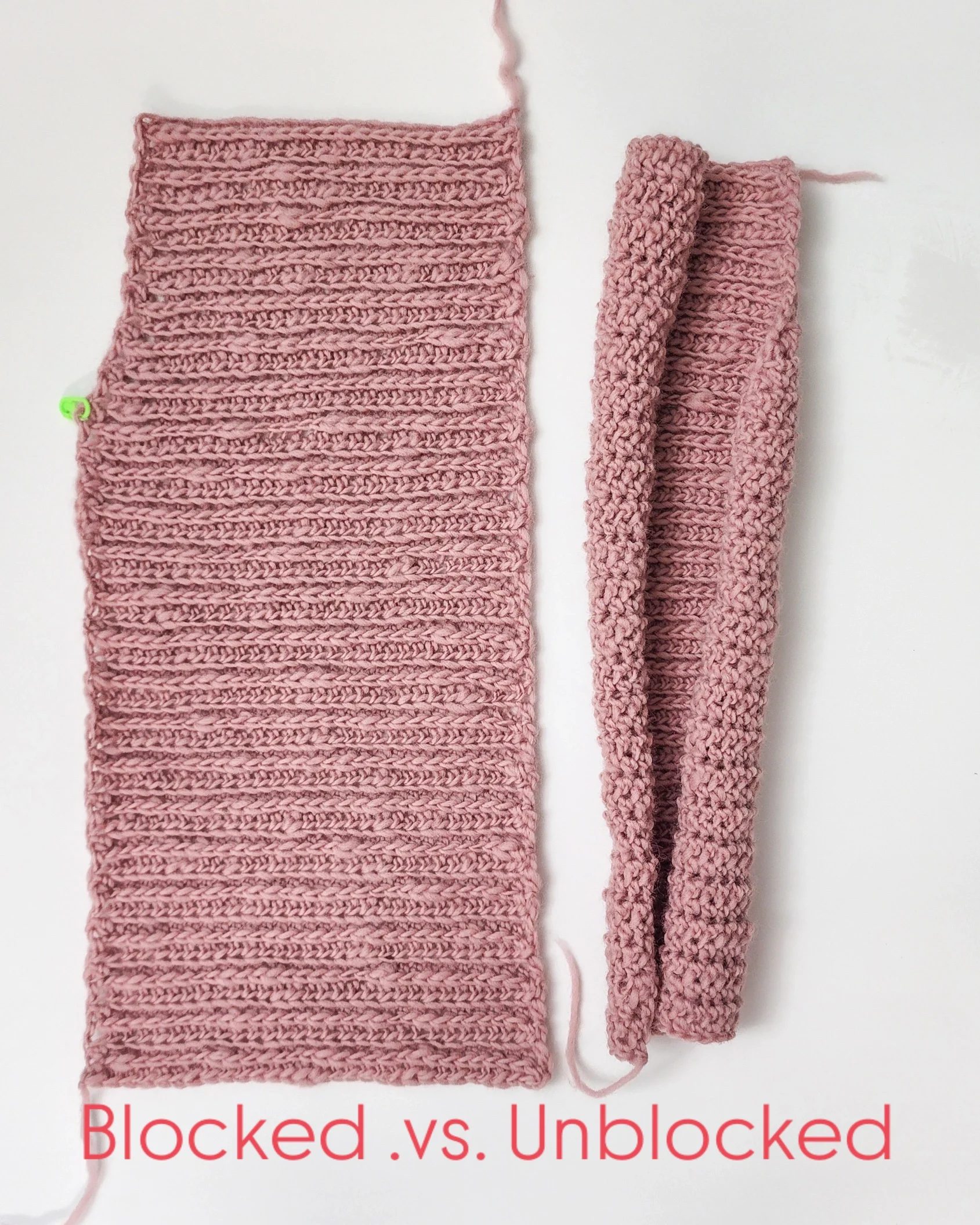
Swatching isn't just about checking your gauge. It's also an opportunity to see how your chosen yarn behaves, how the stitches look, and whether the fabric has the drape and flexibility you're after.
I always recommend washing and blocking your swatch according to the yarn care instructions. Crochet fabric can grow, shrink, soften, or change texture after washing, and those changes can affect the fit of your finished garment.
For my own handmade pieces, I generally prefer hand washing when the yarn allows it because I want them to last as long as possible. I only use the washing machine or dryer when the yarn care instructions say it's safe to do so.
A little extra time spent swatching can save you from investing hours into a garment that doesn't turn out the way you envisioned.
Final Thoughts
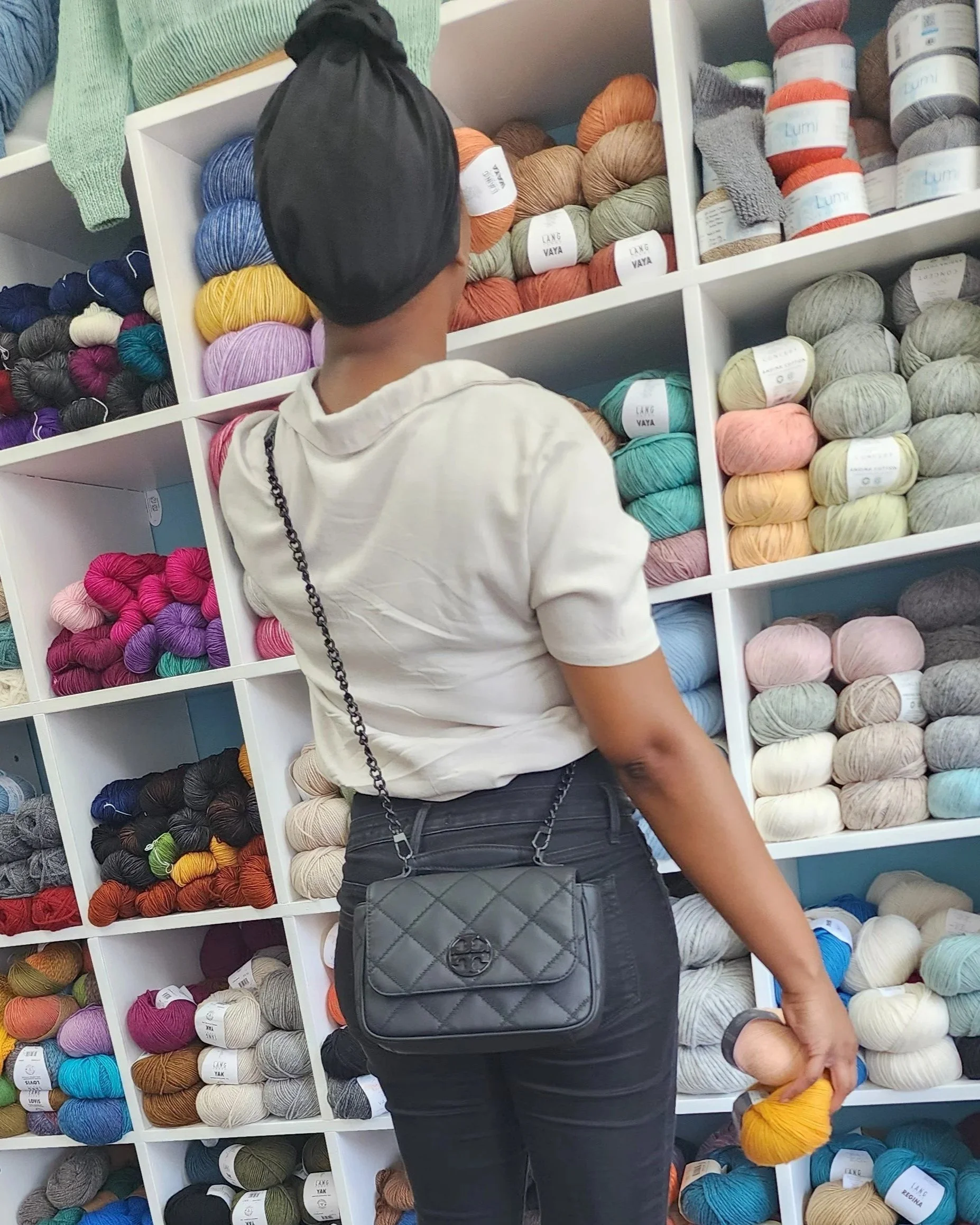
Choosing yarn gets easier the more you practice paying attention to how fiber, weight, gauge, and stitch pattern work together.
Start with the garment you want to wear, explore your yarn options, and give yourself time to experiment. Most importantly, don't skip the swatch! It's one of the best ways to see whether your yarn will deliver the look, feel, and fit you're after.
With a little practice, you'll start choosing yarn with more confidence and creating crochet garments you'll be excited to wear.
Have a favorite yarn for garment-making? Share it in the comments. I'd love to hear what you're stitching with!
XOXO - Talia